The Power of Community


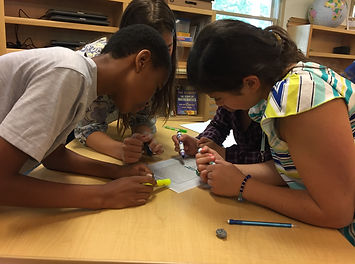
In our program, community builds outward from the adolescent's developmental needs, tendencies, and interests. A strong sense of community and the necessary balance between freedom and responsibility is experienced in a tangible way through daily morning meetings, advisory discussions, and a bi-weekly, student-led Council.
At the beginning of each new year, students form a Council and devise their own organizational principles for this community. Standards of ethical behavior are created by students and for students. All problems and challenges are brought to Council, where every student can have a voice in the matter. In this fashion, students learn the meaning of a just society by creating one for themselves. Through the meaningful exchanges of ideas, feelings, concerns, and gratitude that occur at council meetings, our students explore their new-found sensitivities to social justice and personal dignity while developing a true sense of belonging within a community structure.
The sometimes turbulent feelings and experiences of adolescence are topics for discussion and problem-solving in our Advisory program. Each student has an adult advisor that acts as a mentor and coach for navigating challenges, managing new responsibilities and busy schedules, and acting as a primary contact between parents and teachers.
Considering the natural urge to push toward greater independence at this age, Dr. Montessori promoted the idea of residential living for adolescents.
Creo honors this call for deeper independence and community life in various ways, including:
-
Before school and after school work periods: Students can opt to arrive early in the morning to help care for the farm land and animals, and may also stay later into the afternoon for quiet study time or additional work for their small business.
-
Students frequently make nutritious snacks and lunches together and share in these homemade meals around a table with conversation.
-
Students care for their learning environment through daily cleaning and organizational responsibilities.
-
Two annual multi-day trips provide for extended periods of time when the community shares living quarters and engages in activities that they help plan. These trips are integrated into the academic curriculum but also play a vital role in their developing independence.
-
Occasional overnighters on the farm allow for a family-like experience of community living and sharing in fun activities such as planning and cooking dinner, watching movies, making art, and playing games.